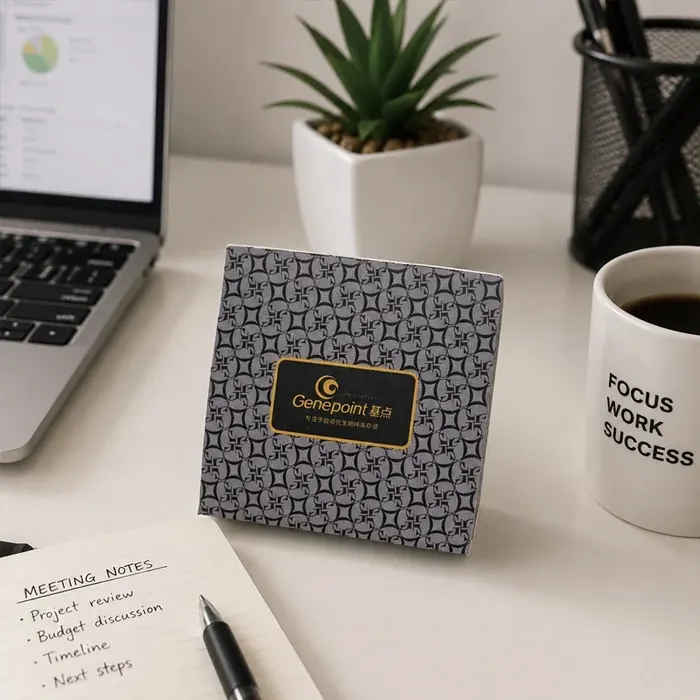
Memo block in printed slipcase
Patterned sleeve with a gold-framed logo plaque; the block lifts out as sheets are used.
A memo cube is not a flat pad in a box. The block is drilled, sleeved, cut or layered, so the format decides the tooling and the minimum order. These five references cover the constructions we run most: printed slipcase, pen-hole cube, laser-cut 3D model, tall counter pad and radial fan.
Each page lists the construction, what can be changed and the sampling and production timing.
Patterned sleeve with a gold-framed logo plaque; the block lifts out as sheets are used.
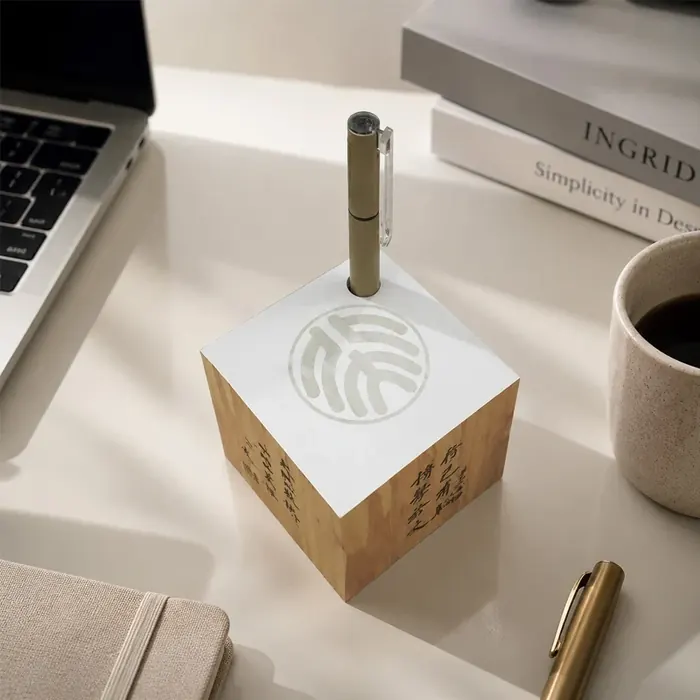
Blind-embossed top, printed side panels, centre hole that holds a pen upright.
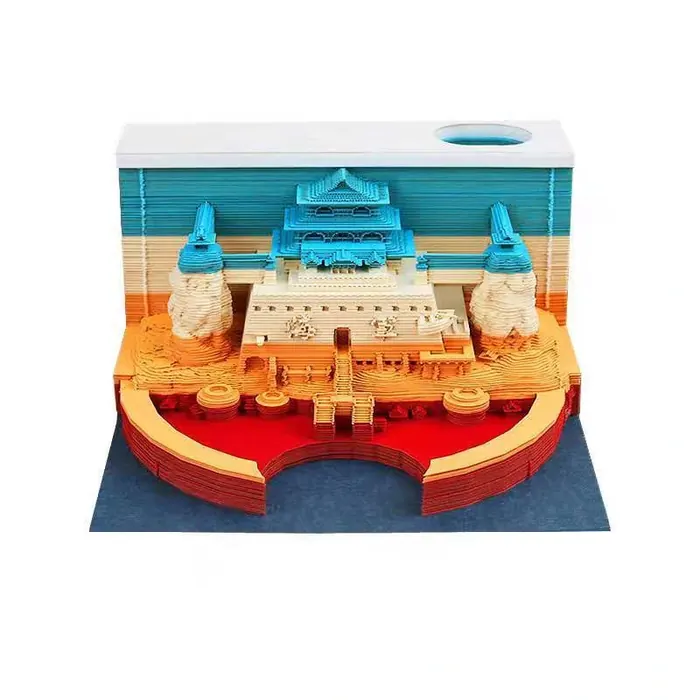
Layered pages reveal an architectural model as the block is used.
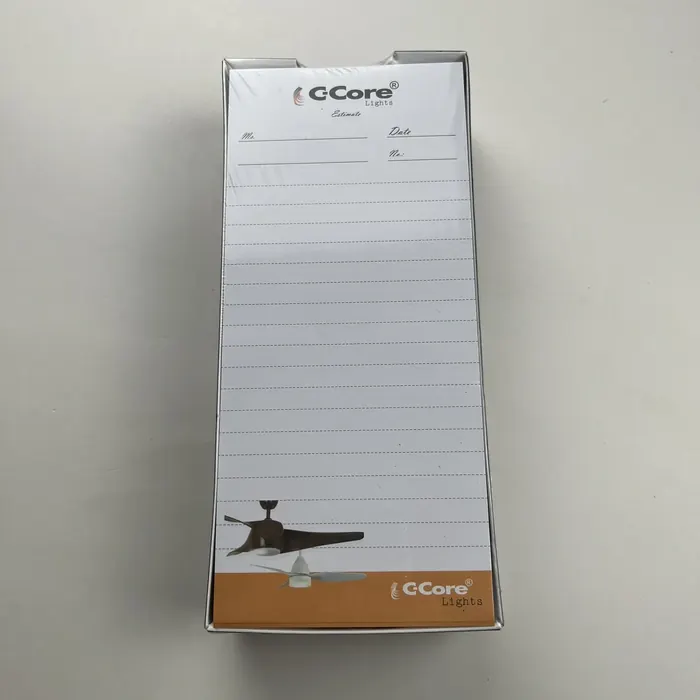
Date line at the head, branded footer band, stands on a counter.
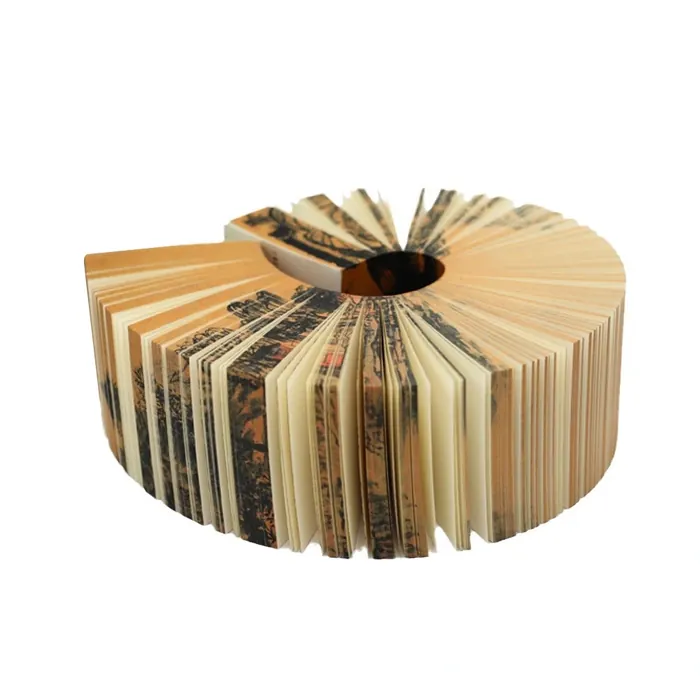
Radial cut that splays into a fan, illustrated page edges.
Send the reference, the quantity and any artwork you already have. We confirm block size, cutting or drilling, print and packing in writing, then produce a physical sample — typically 5–7 working days — before the bulk run, which is commonly 10–15 days after approval.
It depends on the construction rather than the paper: a printed-sleeve block starts low, while a drilled cube, a moulded rim or a laser-cut model needs tooling and carries a higher minimum. The figure is quoted per design.
Yes. The cube is drilled for a standard ballpoint, and a pen can be supplied with the block if the hole diameter is confirmed with the order.
Sampling is typically 5–7 working days once the artwork and construction are agreed, and the sample is the reference for the bulk run.